Jeden Morgen um 7:30 Uhr
Der Bauer bringt Milch, die Schuhe bleiben vor der Tür, die Wäsche hängt draußen.
Für Hishsi ist das Alltag. Für mich eine tägliche Übung.
Beobachtungen aus unserem gemeinsamen Leben in Nepal.
Ups, wieder die falschen Schlappen.
Heute Morgen erwische ich mich dabei, wie ich mit den guten Adidas-Badelatschen durchs Haus laufe. Dabei sind die für draußen. Draußen habe ich eben die Wäsche aufgehängt – genauer: die Wäsche der ersten Waschrunde.
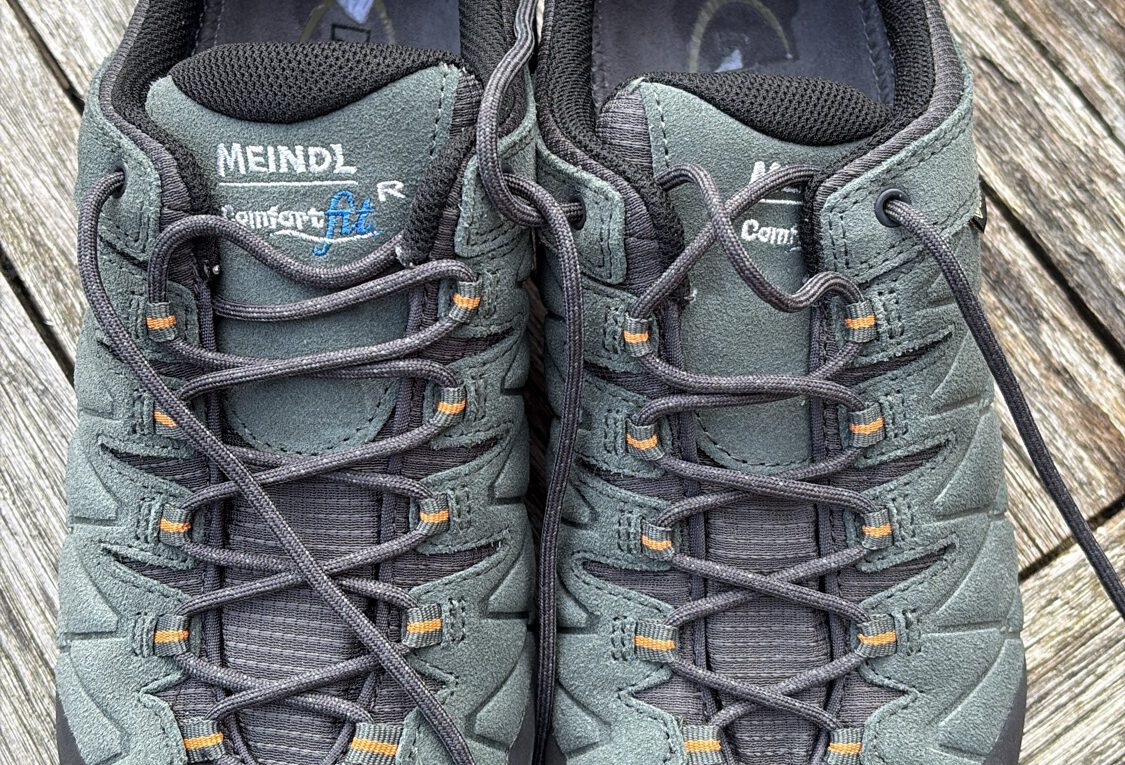
Vor unserer Haustür stehen die Hausschuhe aufgereiht. Alle Größe 42. Alle dasselbe Modell. Jeder greift zu den nächstbesten Schuhen. Die Straßenschuhe bleiben draußen. Nicht nur bei uns, sondern bei den meisten Familien in unserer Nachbarschaft in Nepal. Mit Straßenschuhen ins Haus? Das geht gar nicht.
Und dann das Bad.
Vor der Badezimmertür warten eigene Latschen. Die Hausschuhe bleiben draußen. Wer also von draußen schnell auf die Toilette will, wechselt zweimal die Schuhe.
Ich bin unsicher. Vielleicht ist das ein Grund, warum in vielen Häusern Bad oder Toilette nicht mitten in der Wohnung liegen, sondern am Eingang oder gleich außerhalb. Mehrere Nachbarn sagen, das Bad sei der unhygienischste Raum im Haus. Je länger ich darüber nachdenke, desto weniger passt dieses Bild allerdings zu den neueren Häusern, die fast schon eine westeuropäische Badkultur haben. Beides existiert nebeneinander.
Beim Waschen der Kleidung ist es ähnlich.
Ich kenne Familien, da ragen zwei Nägel aus der Wand. Mehr Platz braucht es nicht: einer für die Alltagskleidung, einer für besondere Anlässe. Ich sehe Menschen, die ihre Wäsche im Fluss waschen – auch die Kleidung, die sie gerade tragen. Wer aber Wechselwäsche hat, wäscht sehr häufig. Meist täglich, spätestens jeden zweiten Tag. Kleidung wird nicht mehrfach getragen. Gewaschen wird oft bei 20 °C im Schonwaschgang. Sparsam sind viele trotzdem.
Zum Alltag gehört auch die Milch.
Jeden Morgen um 7:30 Uhr steht der Bauer aus der Nachbarschaft vor der Tür. In der Hand eine Plastikdose mit etwa einem Liter Milch. Frisch gemolken. Noch euterwarm. Wir kochen die Milch auf, schöpfen den Schmand ab und streichen ihn später aufs Brot. Jeden Tag.
Heute gab es Milchreis.
So überrascht es nicht, dass Hishsi und ich nach vier Tagen in Varanasi und Sarnath heute Morgen drei Maschinenladungen hatten.
Waschen, auf- und abhängen, falten, einsortieren – das ist meine Aufgabe.
Am Ende stehen die Latschen wieder vor der Tür.
Größe 42. In Reih und Glied.
English version below
Every Morning at 7:30
The farmer brings milk, the shoes stay outside, the laundry hangs in the open air.
For Hishsi, this is everyday life. For me, it is a daily exercise.
Observations from our shared life in Nepal.
Oops, the wrong slippers again.
This morning I catch myself walking through the house in my good Adidas flip-flops. They are meant for outdoors. Outside, I have just hung up the laundry — more precisely, the laundry from the first load.
In front of our door, the house slippers are lined up neatly. All size 42. All the same model. Everyone grabs whichever pair is closest. Street shoes stay outside. Not only in our home, but in most families in our neighborhood in Nepal. Walking into the house with street shoes? Unthinkable.
And then there is the bathroom.
In front of the bathroom door, another pair of slippers is waiting. The house shoes stay outside. Anyone who wants to dash in from outdoors to use the toilet has to change shoes twice.
I am not entirely sure, but this may be one reason why in many houses the bathroom or toilet is not located in the middle of the living space, but near the entrance or even outside. Several neighbors say the bathroom is considered the least hygienic room in the house. The longer I think about it, however, the less this fits with the newer houses, which often follow an almost Western European bathroom culture. Both exist side by side.
Laundry follows a similar logic.
I know families where two nails stick out of the wall. No more space is needed: one for everyday clothes, one for special occasions. I see people washing their clothes in the river — including the clothes they are wearing. Those who have spare clothes, however, wash very frequently. Usually every day, at the latest every other day. Clothes are not worn repeatedly. Washing is often done at 20 °C on a gentle cycle. Still, many are careful with resources.
Milk is also part of the daily routine.
Every morning at 7:30, the farmer from the neighborhood stands at our door. In his hand, a plastic container with about one liter of milk. Freshly milked. Still warm from the udder. We boil the milk, skim off the cream, and later spread it on bread. Every day.
Today, we made rice pudding.
So it comes as no surprise that after four days in Varanasi and Sarnath, Hishsi and I had three full loads of laundry this morning.
Washing, hanging up and taking down, folding, putting away — that part is my job.
In the end, the slippers are back in front of the door.
Size 42. Lined up neatly.